
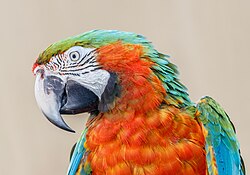
Image note: replace the hero photograph with a verified Catalina Macaw image before final launch.
Type
Large hybrid macaw
Lifespan
A multi-decade commitment
Noise Level
High
Experience Level
Best for experienced or extensively prepared owners
About the Catalina Macaw
Catalina Macaws are first-generation hybrid macaws commonly produced from a Blue & Gold Macaw and a Scarlet Macaw. Their plumage may include combinations of red, orange, yellow, green, and blue, but exact appearance varies by individual.
They are often playful, intelligent, social, and highly trainable. However, hybrid parentage does not produce a predictable temperament. Each bird should be evaluated as an individual based on history, handling, socialization, health, and observed behavior.
Like other large macaws, Catalinas are physically strong, capable of very loud calls, and able to destroy weak toys, furniture, and unsuitable cage hardware. They need structure, daily interaction, training, and safe opportunities to chew and explore.
Diet & Nutrition
- Use a nutritionally balanced formulated diet suitable for large parrots as the foundation.
- Offer bird-safe vegetables, leafy greens, and smaller portions of fruit.
- Use nuts and seeds as measured rewards, enrichment, or foraging items.
- Divide food among safe foraging systems to encourage activity and problem solving.
- Review weight, body condition, and diet with an avian veterinarian.
Housing & Safety
- Provide a very large, heavy-duty cage designed for a powerful macaw.
- Allow room for full wing extension, a long tail, multiple perches, and large toys without crowding.
- Use strong locks, sturdy welds, safe bar spacing, and hardware that cannot be easily dismantled.
- Provide a substantial play stand and daily supervised out-of-cage exercise.
- Protect wiring, furniture, trim, doors, and household objects from destructive chewing.
Enrichment, Exercise & Training
- Provide large destructible toys, climbing structures, foraging challenges, and positive-reinforcement training.
- Teach step-up, stationing, target training, and cooperative-care behaviors.
- Rotate toys while keeping some familiar items for security.
- Encourage independent play rather than constant physical attention.
- Use calm routines, dependable sleep, and consistent household expectations.
Is a Catalina Macaw Right for You?
A Catalina Macaw may suit an experienced or extensively prepared household with substantial space, high noise tolerance, strong equipment, and a realistic plan for decades of care.
It may not be a good fit for homes with strict noise limits, limited space, fragile furnishings, or insufficient time for daily interaction, supervision, and training.
Recommended Products
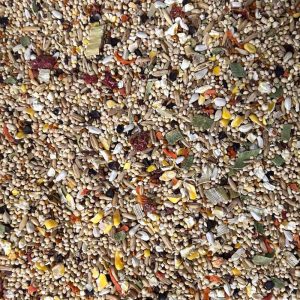
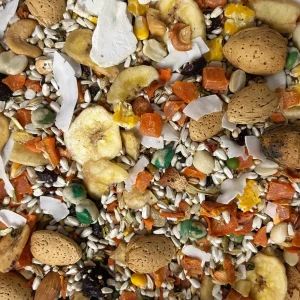
Popular products from the Parrots & Company online store.
-
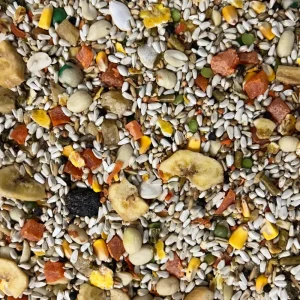
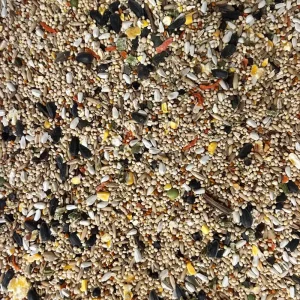
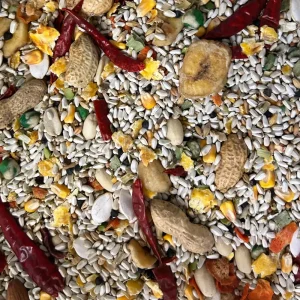
Parrots & Company Treats
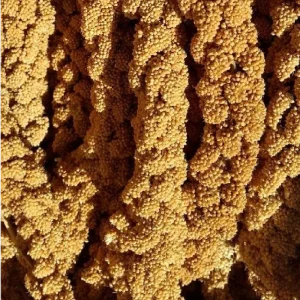
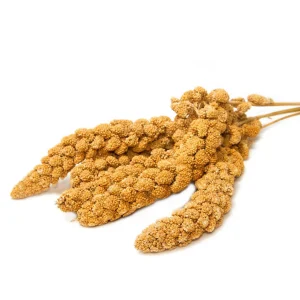
California Spray Millet
starting at: $3.50 Select options This product has multiple variants. The options may be chosen on the product page

Frequently Asked Questions
What is a Catalina Macaw?
A Catalina is a hybrid commonly produced from a Blue & Gold Macaw and a Scarlet Macaw. Appearance and temperament vary by individual.
Are Catalina Macaws loud?
Yes. Like other large macaws, they can produce very powerful calls and are not suitable for households with strict noise restrictions.
Can Catalina Macaws talk?
Some learn words and phrases, but speech varies and should never be guaranteed.
Are Catalina Macaws affectionate?
Many are interactive and social, but affection, intensity, confidence, and handling preferences differ between individual birds.
How much space do they need?
They require a very large, strong cage, a substantial play stand, and daily supervised movement in a bird-safe area.
Interested in a Catalina Macaw?
Contact Parrots & Company for current availability, individual bird information, and help preparing the right home.
This page provides general educational information and is not a substitute for individualized advice from an avian veterinarian. Hybrid ancestry does not predict every individual bird’s appearance or temperament.