

Lifespan
A multi-decade commitment
Size
Very large parrot
Noise Level
High; powerful calls should be expected
Experience Level
Best for owners prepared for a very large parrot
About the Blue & Gold Macaw
Blue & Gold Macaws are active, expressive, and often highly social. They can be affectionate and playful, but their size and beak strength require confident, respectful handling and careful household planning.
A young macaw benefits from positive-reinforcement training that encourages step-up behavior, stationing, independent play, calm handling, and appropriate interaction with multiple people.
Their calls can be extremely loud. Noise should be evaluated honestly before bringing one into apartments, shared housing, or noise-sensitive neighborhoods.
Diet & Nutrition
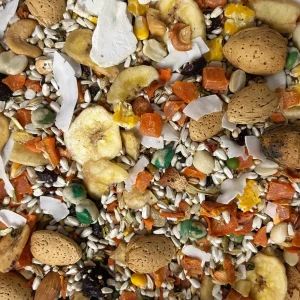
- Use a balanced formulated diet suitable for large parrots as the core of the feeding plan.
- Provide vegetables, leafy greens, and limited fruit.
- Use nuts and seeds thoughtfully as measured enrichment or training rewards.
- Encourage natural foraging by dividing food among safe puzzle feeders and multiple locations.
- Monitor weight and body condition with an avian veterinarian.
Housing & Safety
- Provide a very large, durable cage with enough height and depth to protect the long tail and permit natural movement.
- Use strong hardware, safe bar spacing, multiple heavy-duty perches, and a substantial play stand.
- Plan for supervised daily out-of-cage exercise in a bird-safe room.
- Protect wiring, furniture, doors, trim, and household items from the destructive force of a macaw’s beak.
- Use a secure carrier for travel and veterinary visits.
Enrichment, Exercise & Training
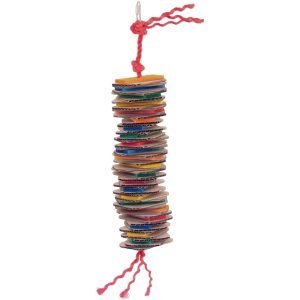
- Provide large destructible toys, untreated wood, foraging tasks, climbing opportunities, and regular training.
- Rotate toys before boredom develops while retaining some familiar items for security.
- Teach cooperative handling without encouraging rough play that could become unsafe.
- Provide daily social contact while also teaching healthy independent play.
- Use calm routines, predictable sleep, and consistent boundaries.
Is a Blue & Gold Macaw Right for You?
A Blue & Gold Macaw is best for a household with substantial space, high noise tolerance, a realistic budget, strong training commitment, and the ability to plan for decades of care.
It may not be a good fit for homes with limited space, noise restrictions, fragile furnishings, or insufficient time for daily interaction and supervision.
Recommended Products
Popular products from the Parrots & Company online store.
-
Parrots & Company Treats
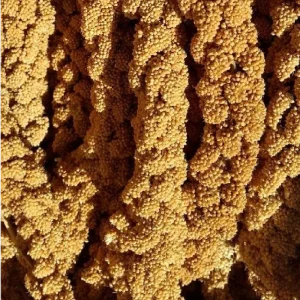
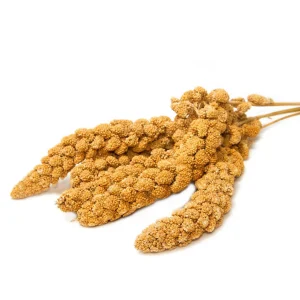
California Spray Millet
starting at: $3.50 Select options This product has multiple variants. The options may be chosen on the product page

Frequently Asked Questions
Are Blue & Gold Macaws loud?
Yes. They can produce extremely powerful calls, particularly at certain times of day or when excited.
Can Blue & Gold Macaws talk?
Some learn words and phrases, but speech varies by individual and should never be guaranteed.
How much space do they need?
They require a very large, durable cage, a substantial play stand, and regular supervised exercise in a bird-safe area.
Are they good family birds?
They can be affectionate and social companions in prepared households, but their size, voice, strength, and long lifespan require careful planning.
What should a Blue & Gold Macaw eat?
A balanced formulated large-parrot diet is generally used as the foundation, with bird-safe vegetables, smaller portions of fruit, and measured nuts or seeds.
Interested in a Blue & Gold Macaw?
Contact Parrots & Company for current availability, individual bird information, and help preparing the right home.
This page provides general educational information and is not a substitute for individualized advice from an avian veterinarian. Species tendencies do not predict every individual bird.