
Lifespan
A multi-decade commitment
Size
Medium-to-large parrot
Talking Ability
Often very capable, but individual results vary
Experience Level
Best for well-prepared owners
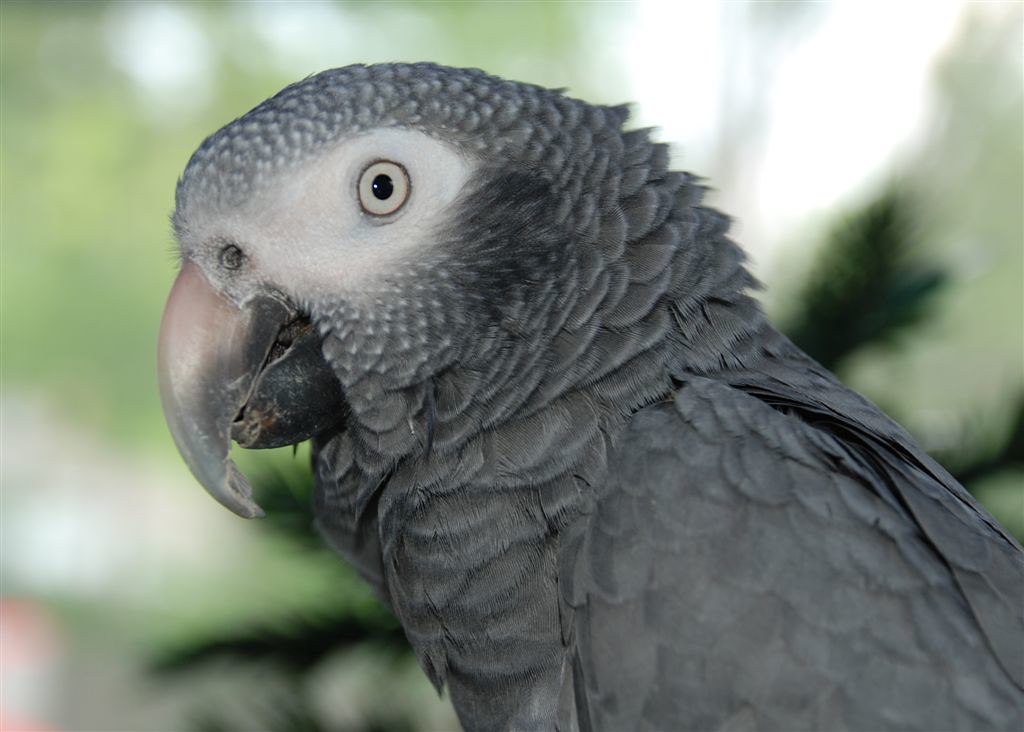
About the Timneh African Grey
Timneh African Greys share the intelligence, observational ability, and communication potential associated with African Greys while generally being somewhat smaller than Congo African Greys. Some individuals may appear quicker to adapt to new situations, but personality varies widely.
They often notice small changes in routine and environment. Consistency, patient introductions, and respectful handling are important for building trust and reducing stress.
Speech and sound imitation can be impressive, but owners should value the bird as a complex companion rather than choosing primarily for talking ability.
Diet & Nutrition
- Build the diet around an appropriate nutritionally complete formulated food.
- Add bird-safe vegetables, leafy greens, and modest portions of fruit for variety and enrichment.
- Offer high-fat foods such as nuts in controlled amounts.
- Avoid unbalanced all-seed feeding.
- Discuss calcium, vitamin D, and any supplements with an avian veterinarian.
Housing & Safety
- Provide a roomy rectangular cage with space for movement, toys, and varied natural-style perches.
- Position the cage in a socially connected but not chaotic location.
- Keep the bird away from kitchen fumes, smoke, drafts, and overheating.
- Create safe opportunities for climbing, supervised exercise, and exploration outside the cage.
- Use a secure carrier for travel and veterinary visits.
Enrichment, Exercise & Training
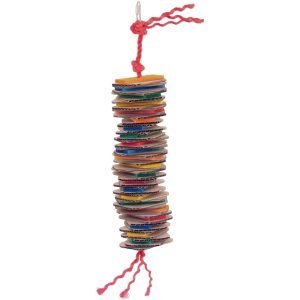
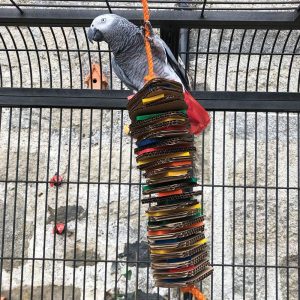
- Include foraging tasks, shredding toys, puzzle feeders, and positive-reinforcement training.
- Rotate activities while preserving a predictable daily framework.
- Teach independent play so the bird can remain engaged without constant physical contact.
- Introduce new people, objects, and experiences gradually.
- Monitor changes in appetite, posture, vocal behavior, and activity because birds may hide illness.
Is a Timneh African Grey Right for You?
A Timneh African Grey may be a strong match for someone who wants an intelligent, interactive bird and is willing to provide structure, mental challenges, veterinary care, and a long-term home.
It may not be a good fit for homes that cannot maintain routine, are highly noise-sensitive, or expect speech and affection to develop on demand.
Recommended Products
Popular products from the Parrots & Company online store.
-
Parrots & Company Treats
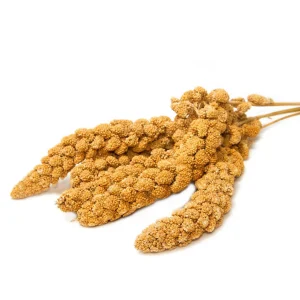
California Spray Millet
starting at: $3.50 Select options This product has multiple variants. The options may be chosen on the product page





Frequently Asked Questions
What is the difference between a Timneh and Congo African Grey?
Timnehs are generally smaller and darker, with a maroon tail and lighter upper beak. Personality differences are tendencies rather than guarantees.
Can Timneh African Greys talk?
Many develop strong speech and sound imitation skills, but talking ability varies and should never be guaranteed.
Are Timneh African Greys good family birds?
They can be excellent companions in prepared households. Success depends on the individual bird, socialization, handling, household routine, and long-term care.
How much attention do they need?
They need daily social interaction, training, enrichment, supervised exercise, and dependable sleep, along with opportunities for independent play.
What should a Timneh African Grey eat?
A balanced formulated diet is generally used as the foundation, with bird-safe vegetables and smaller portions of fruit. Individual needs should be reviewed with an avian veterinarian.
Interested in a Timneh African Grey?
Contact Parrots & Company for current availability, individual bird information, and help preparing the right home.
This page provides general educational information and is not a substitute for individualized advice from an avian veterinarian. Species tendencies do not predict every individual bird.