
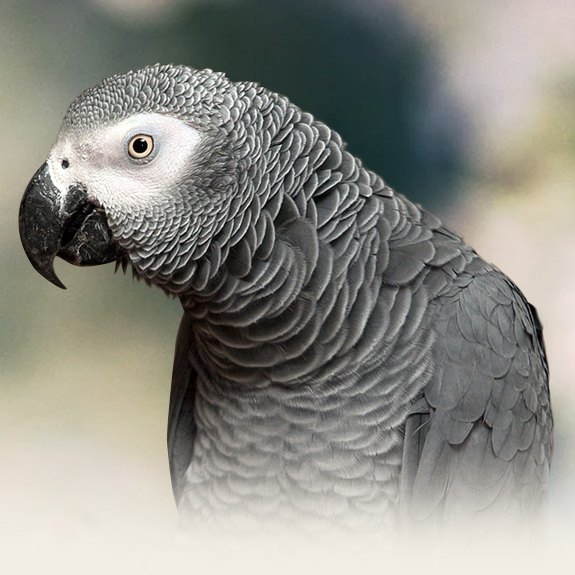
Size
Large parrot
Lifespan
Often several decades; long-term planning is essential
Noise
Moderate, with periods of louder calling
Talking
Often exceptional, but never guaranteed
Personality & Daily Life
Congo African Greys are widely respected for problem-solving ability, attention to detail, and vocal learning. Their intelligence does not automatically make them easy pets. It creates a strong need for mental stimulation, predictable routines, and careful handling.
Many Greys are cautious around sudden change. A thoughtful household introduction, consistent sleep schedule, and gradual exposure to new people and objects can help reduce stress.
Individual personality varies. Some Greys enjoy broad social interaction, while others form a particularly strong bond with one or two people. Early, positive socialization can help create a more adaptable companion.
Diet & Nutrition
- Use a nutritionally balanced formulated diet appropriate for the bird’s size as the foundation unless an avian veterinarian recommends otherwise.
- Offer a rotating selection of bird-safe vegetables and smaller amounts of fruit. Fresh foods should be removed before they spoil.
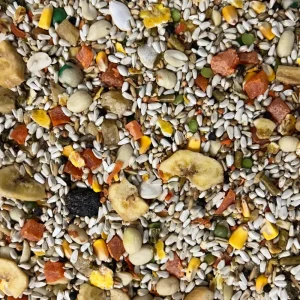
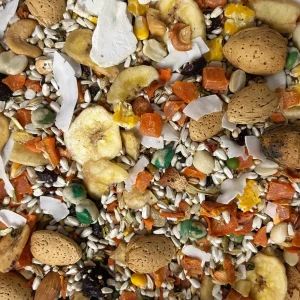
- Use seeds and nuts primarily as measured treats, training rewards, or foraging items rather than the entire diet.
- African Greys can be vulnerable to nutritional imbalances, including calcium-related problems, when maintained on poor or seed-heavy diets. Discuss diet and supplementation with an avian veterinarian rather than adding supplements automatically.
Housing & Safety
- Choose the largest practical rectangular cage that allows full wing extension, climbing, multiple perches, toys, and separate feeding areas.
- Use varied perch diameters and textures while avoiding abrasive perch covers as the only perching option.
- Place the cage where the bird can observe family life without being trapped in constant commotion. Many Greys appreciate having one side of the cage near a wall.
- Provide supervised out-of-cage movement and a safe play stand or activity area.
Enrichment, Exercise & Training
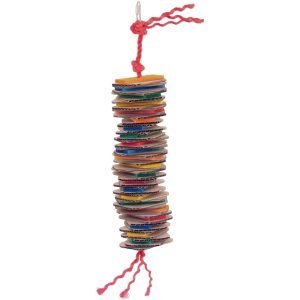
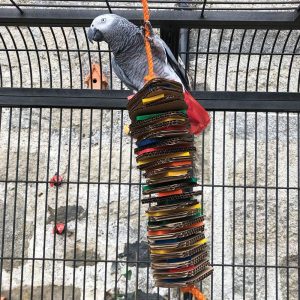
- Rotate puzzle toys, destructible materials, foraging opportunities, and training exercises.
- Teach step-up, stationing, target training, and simple cooperative-care behaviors using positive reinforcement.
- Avoid leaving the same toys unchanged for long periods. Introduce unfamiliar items gradually if the bird is cautious.
- Provide regular bathing opportunities and a consistent dark, quiet sleep period.
Is This Species Right for You?
A Congo African Grey may suit a household that can provide daily interaction, structured enrichment, careful observation, and decades of reliable care. It may not be a good match for homes that want a highly cuddly bird, cannot tolerate dust or vocalization, or expect speech on demand.
General fit: Best for prepared owners who value structure and enrichment
Recommended Bird Supplies
These products are pulled from your WooCommerce store. Replace the shortcode category when your product categories are finalized.
-
Parrots & Company Treats
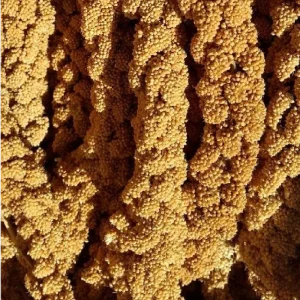
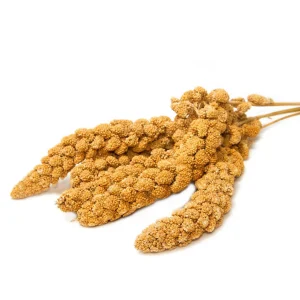
California Spray Millet
starting at: $3.50 Select options This product has multiple variants. The options may be chosen on the product page




Frequently Asked Questions
Is a Congo African Grey a good first bird?
That depends on the household, preparation, prior bird experience, available space, noise tolerance, and willingness to learn. Meet individual birds and discuss expectations with experienced staff and an avian veterinarian.
Can a Congo African Grey talk?
Many parrots can learn words or household sounds, but speech is never guaranteed and should not be the primary reason for choosing a bird.
How much attention does a Congo African Grey need?
Large parrots need daily social interaction, training, enrichment, supervised movement, and reliable sleep. They should also learn healthy independent play.
What should a Congo African Grey eat?
A nutritionally balanced formulated diet is generally used as the foundation, with bird-safe vegetables and smaller amounts of fruit. Individual needs should be reviewed with an avian veterinarian.
How large should the cage be?
Use the largest safe cage practical for the bird, with enough room for full wing extension, movement, multiple perches, and toys. Exact dimensions and bar spacing depend on the individual and cage design.
Interested in a Congo African Grey?
Contact Parrots & Company for current availability, individual bird information, and help preparing the right home.
This page provides general educational information and is not a substitute for individualized advice from an avian veterinarian. Species tendencies do not predict every individual bird.